American Chestnut Blight Is Caused by Which of the Following
The American chestnut is a large deciduous tree of the beech family native to eastern North America. The fungus easily colonizes the damaged bark of the chestnut tree and proceeds to penetrate through to the healthy cambial tissue of the tree.
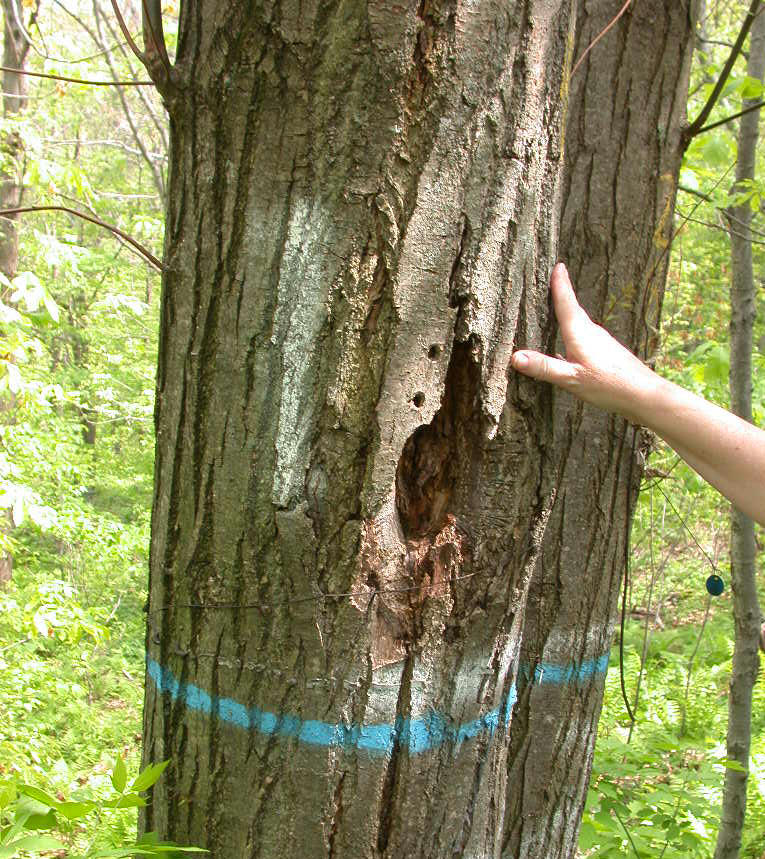
American Chestnut
How does fungus affect tree.
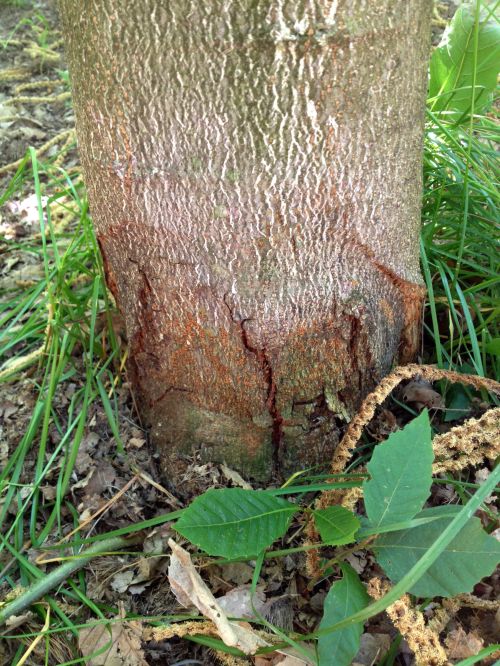
. Invades woundscracks grows through vascular cambium encircles it and kills it. Re- an exciting and unique endeavor because to. It was spread all over the range of our native chestnut trees by mail order as people bought chestnut trees from nurseries and was spread locally by every creature that walked over the cankers.
Blights are diseases that kill the leaves flowers and stems of plants. Foreign fungus disease the Chestnut blight. The species was devastated by chestnut blight a fungal disease that came from Chinese chestnut trees introduced into North America.
Note how the pathogen causes the collapse of stems along the outer surface of the stem. What usually causes this weakening of the fungus is actually a virus which can be spread from one fungus to another. The American chestnut was one of the most important forest trees throughout its range and was considered the finest chestnut tree in the world.
The American Chestnut Foundation has created a page that includes links to all the relevant documents as well as tips on writing a comment which are due by Oct. The chestnut blight caused by a fungus accidentally introduced from Asia changed everything. Over the past century some three to five billion trees have succumbed to the ravages of chestnut blight a pathogen inadvertently introduced from Asia.
The disease was first. Ed by the American chestnut Castanea den- population of blight-tolerant American chestnut tata which was devastated by a chestnut blight in the forests of eastern North America. The chestnut blight fungus was accidentally introduced into the US.
The fungus arrived from Asia with the import of. Canker caused by a highly virulent form of Cryphonectria parasitica on American chestnut. Asian chestnut trees are smaller less winter hardy and not as useful for wood as American chestnuts.
Once a major tree species American chestnut trees filled Eastern and Midwestern forests. Where before about a third of all trees in the Smoky Mountains were chestnuts today even single spindly saplings are rare. Slightly sunken or slightly swollen cankers on branches or the trunk are yellow-brown and oval or irregular in shape.
These splotchy indentations reminiscent of a bruise can choke off the tree. 13 hours agoThe chestnut blight is caused by an insidious fungus that leaves orange-tinted cankers on a trees trunk and limbs. Link to an article that first describes the efficacy of the soil compress method in controlling chestnut blight cankers.
Cryphonectria parasitica Chestnut blight is caused by the fungus Cryphonectria parasitica and infects American chestnut trees Castanea dentata throughout the United States and Canada. As the stems are girdled the leaves yellow and brown but remain attached to. If the canker girdles the stem then transport of nutrients is disrupted and all plant material beyond the canker dies back.
This is caused by an invasive fungal pathogen. While the Chinese variety adapted and developed a sturdy resistance to the blight the American chestnut was no match for it. In the youth of a man not yet old native Chestnut was still to be seen in glorious array from the upper slopes of Mount Mitchell the great forest below waving with creamy white Chestnut blossoms in the crowns of ancient trees so that it looked like a sea of white combers plowing across its surface.
Chestnut blight is a disease that came into the United States in the 1900s killing almost all of the American chestnut trees in the country. Canker disease branches die quickly infects branches diffuse tumorscankers blight resistance. The ruin of American chestnut was caused by a blight.
Caused by a fungi called Cryphonectria parasitica Introduced into the United States in the early 1900s and has spread throughout the range of the American chestnut The disease causes a canker disease on stems and branches On the highly susceptible American chestnut cankers quickly girdle the stem. A Devastating Fungal Disease. Chestnut blight a deadly fungal disease introduced to the United States from Asia in the early 1900s destroyed our chestnut forests and threatened the very existence of these important trees.
The chestnut blight Cryphonectria parasitica may have come accidentally into this country on several Asian chestnut trees. On Japanese chestnut trees imported at the end of the 1800s. Chestnut decline attributed to blight is caused by an Asian bark fungus Cryphonectria parasitica which was unknowingly imported from Asia on infected Chinese Chestnut trees.
The American chestnut Castanea dentata was once the dominant canopy tree along the eastern region of the United States. By the 1940s the blight had killed an estimated four billion American chestnut trees nationwide. The disease was first noticed on American Chestnut trees in 1904 in what was then the New York Zoological Park now known as the Bronx Zoo by chief forester Hermann Merkel.
Chestnut blight caused by Cryphonectria parasitica is a devastating disease infecting American and European chestnut trees. The pathogen is native to East Asia and was spread to other continents via infected chestnut plants. Symptoms of chestnut blight.
The American Chestnut is highly susceptible to chestnut blight caused by an Asian bark fungus accidentally introduced into North America on imported Asiatic chestnut trees. Cryphonectria parasitica the causative agent of chestnut blight was. Root rot caused by Phytophthora cinnamomi and chestnut blight caused by Cryphonectria parasitica are the two most destructive diseases affecting American chestnut Castanea dentate.
How does chestnut blight spread. The blight is caused by the fungus Cryphonectria parasitica a member of the Ascomycota phylum. Since then tree breeders and researchers have worked to find blight-resistant varieties to bring American chestnuts back to our landscapes and forests.
Hypovirulence is a condition in which the blight fungus itself gets sick. Start studying Human AP Chapter 14. Learn vocabulary terms and more with flashcards games and other study tools.
Time To Scout For Chestnut Blight On European And Japanese Hybrid Cultivars Msu Extension

Sweet Chestnut Blight Cryphonectria Parasitica Forest Research

Chestnut Blight Dummer Garden Manage 식물 관리 Pusadee의 정원 꽃
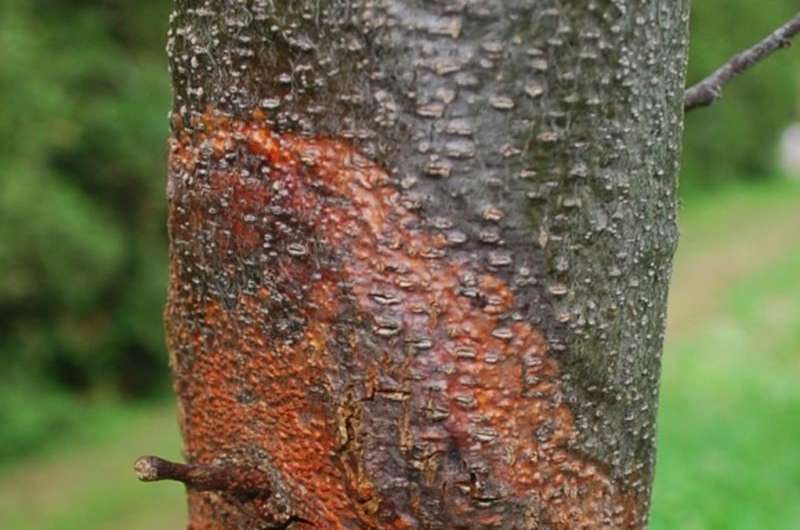
New Genetically Engineered American Chestnut Will Help Restore The Decimated Iconic Tree

Blight Fight The Story Of America S Chestnuts Offers Hope For British Trees Trees And Forests The Guardian
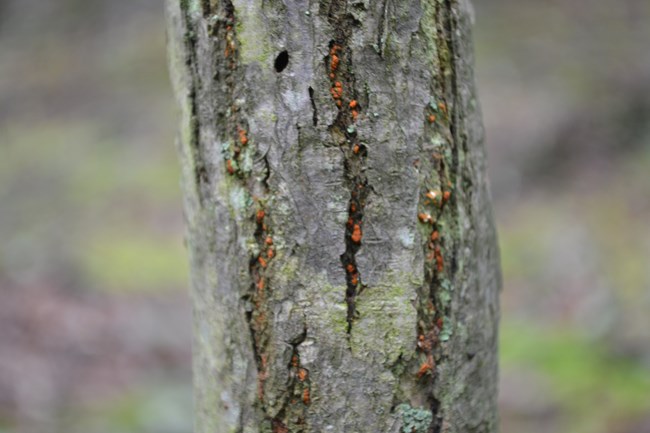
American Chestnuts In The Capital Region U S National Park Service

Unasylva Vol 3 No 1 Chestnut Blight In Asia And North America
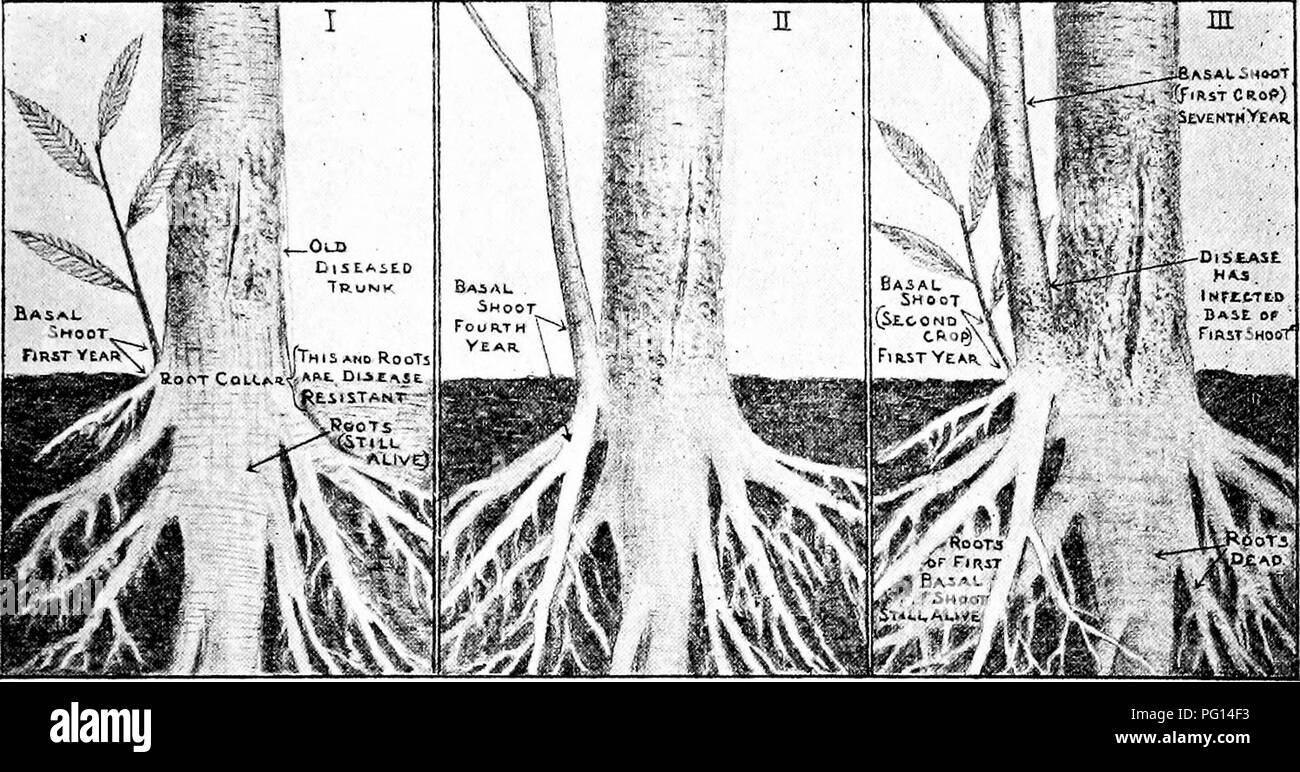
Chestnut Blight Chestnut Blight Chestnut Unfortunately These Species Are Comparatively Low Growing Trees And Can Therefore Not Replace The American Chestnut As Timber Producing Trees For Many Years The Division Of Forest Pathology

New Genetically Engineered American Chestnut Will Help Restore The Decimated Iconic Tree The American Chestnut Foundation
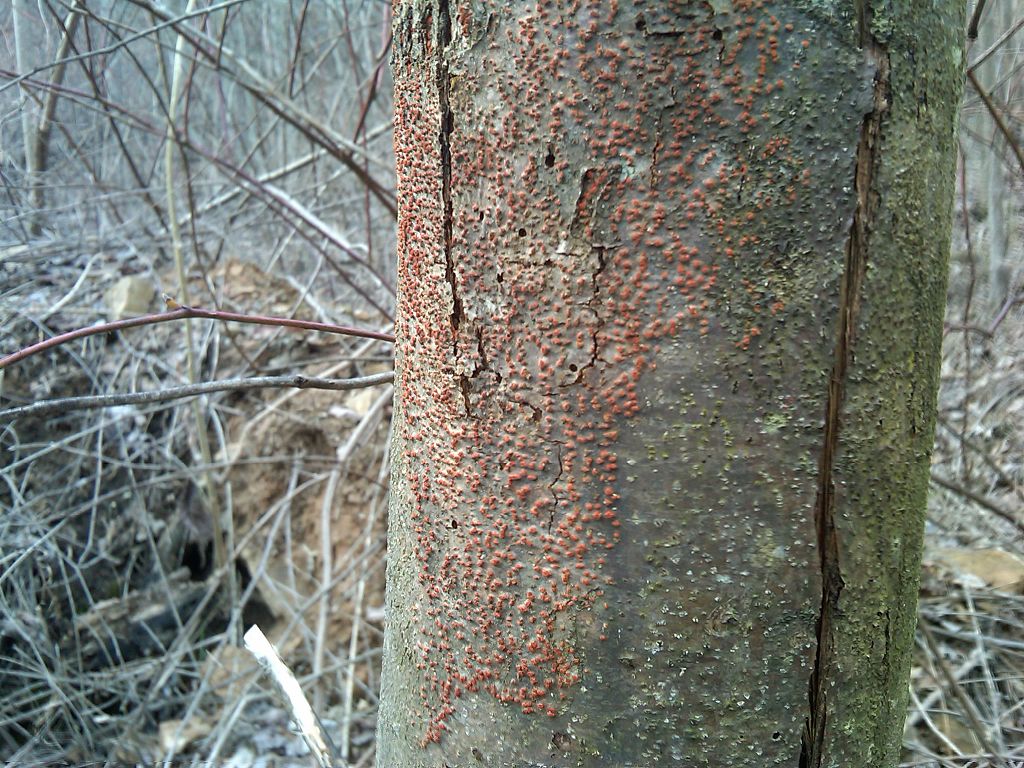
Tree Diseases American Chestnut Blight Iron Tree Tree Knowledge Base

Chestnut Blight Wikiwand

Active Left And Superficial Inactive Right Chestnut Blight Cankers Download Scientific Diagram
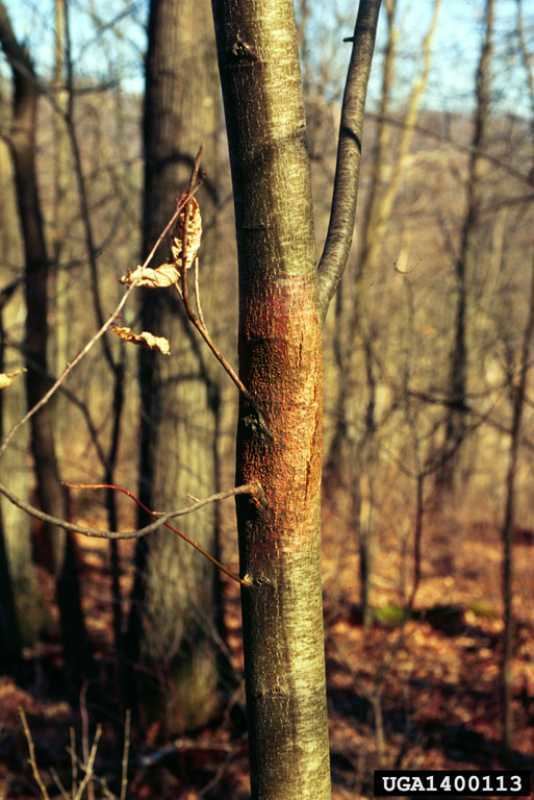
Chestnut Blight Alchetron The Free Social Encyclopedia

The American Chestnut Foundation Wikiwand

American Chestnut Northern Research Station Usda Forest Service

Chestnut Blight Facts And Information How To Prevent Chestnut Blight In Trees

Unasylva Vol 3 No 1 Chestnut Blight In Asia And North America
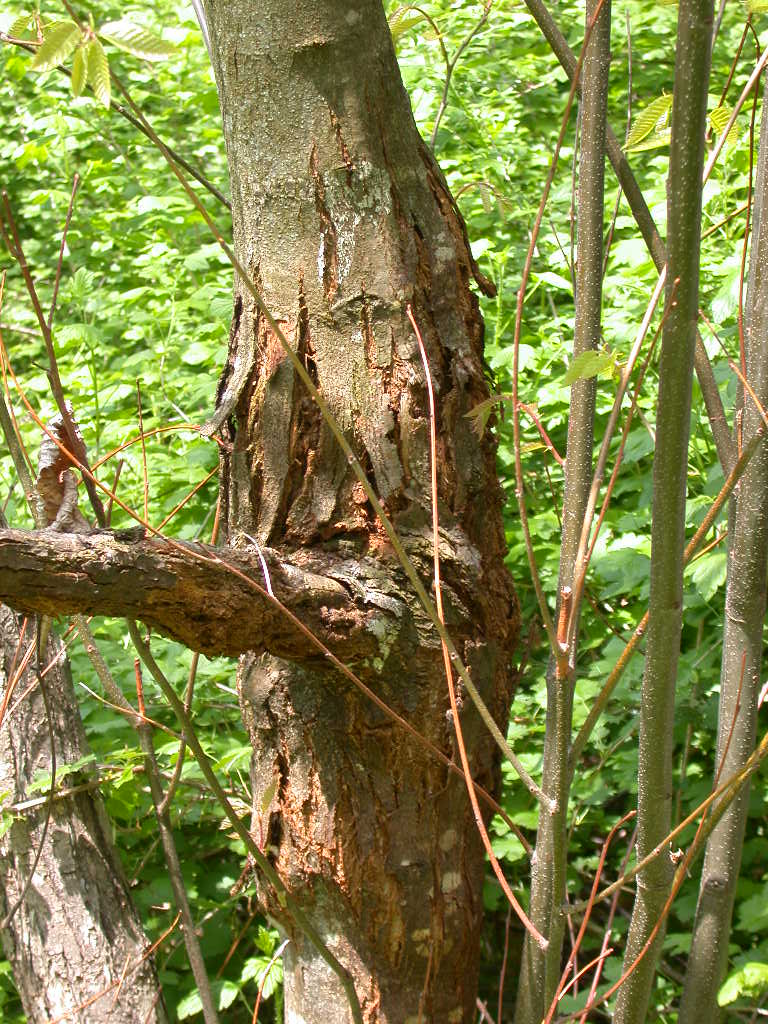
American Chestnut

Blight Fight The Story Of America S Chestnuts Offers Hope For British Trees Trees And Forests The Guardian


Comments
Post a Comment